
Burrafirth Beach
Unst, Shetland
The Shetland Angling Association has recommended this location as one of the possible spots to catch sea trout, which ca ...

Water managed by Shetland Anglers Association
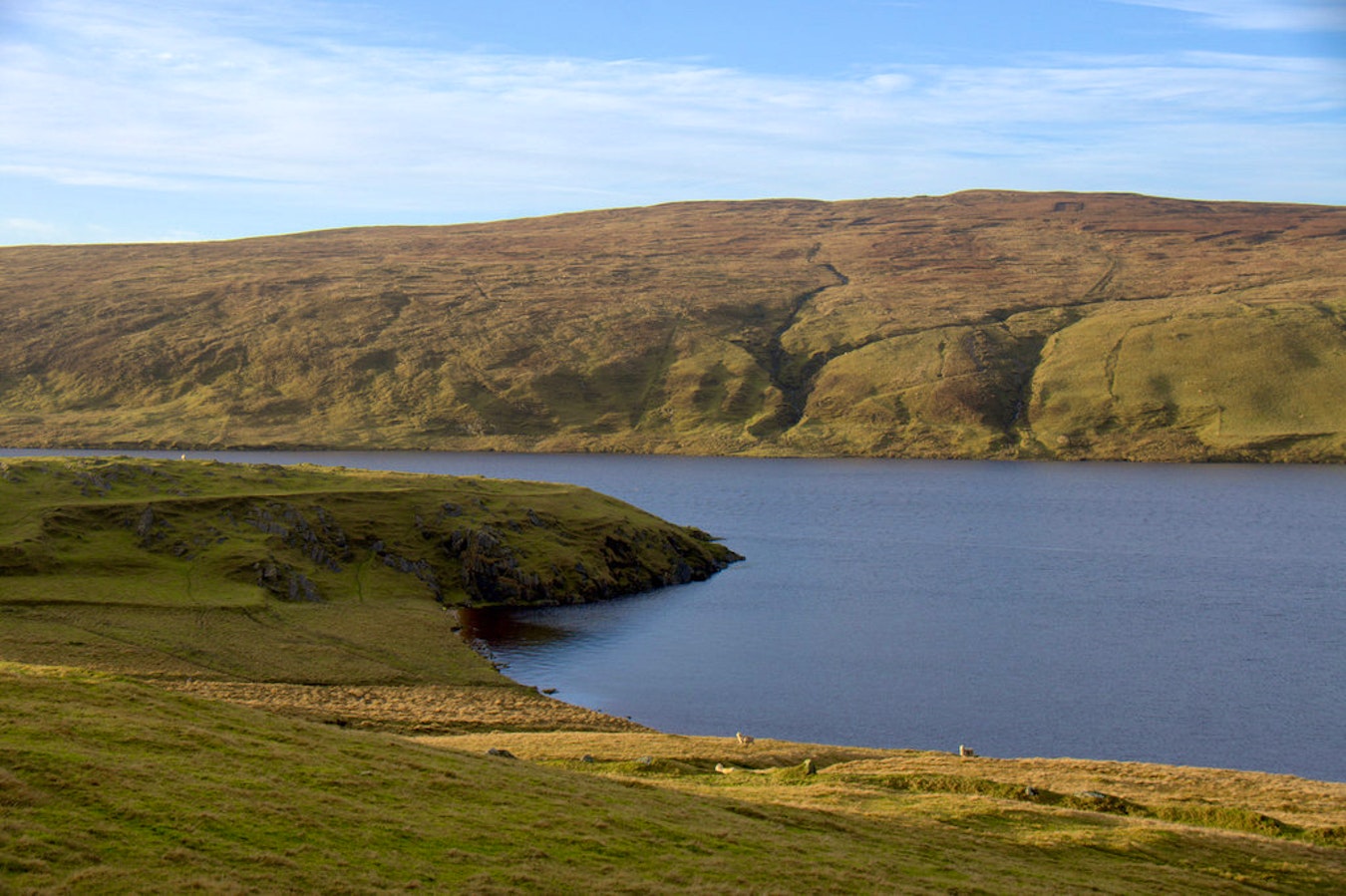
Loch of Cliff lies east of Burrafirth on Unst, set among low moor close to the western coast. It is the longest loch in Shetland, a large, shallow water covering just over 100 hectares with a mean depth of around 3 m. The water is peat-stained with moderate alkalinity, and the loch’s long, sinuous outline carries a broad fetch with several bays and points along its margins.
The loch was once noted for many small brown trout; since fish cages were installed the native fish have grown much larger, and good numbers are taken. Sea trout also run into the loch later in the season. Boat fishing is best here because of the loch’s size and access. Access to the boats is by the rough track from Burrafirth; enquire locally or with the Shetland Angling Association about boat hire.
Minimum sizes
Protected fish
All wild salmon and grilse, and all Arctic char, must be returned alive.
Methods
One rod per angler
Only one rod may be used at a time per angler.
No Sunday fishing
Sunday fishing for sea trout and salmon is prohibited across all waters, regardless of land ownership or permit.
All salmon must be released
Under the Salmon Conservation Regulations (in force since 1 April 2016), Shetland is a Grade 3 area — it is a criminal offence to kill any salmon caught here. All salmon must be released by law, regardless of condition. The exception is fish clearly of farmed origin.
Nesting birds
It is a criminal offence to disturb nesting wild birds, including Schedule 1 species. Many nest beside lochs. Avoid any loch holding Red-throated Divers. Several lochs are SSSIs with legally binding conditions of use.
Report salmon caught
All salmon caught and released must be reported to the Shetland Anglers Association via the contact page.
Unst, Shetland
The Shetland Angling Association has recommended this location as one of the possible spots to catch sea trout, which ca ...
Unst, Shetland
The Shetland Angling Association has recommended this location as one of the possible spots to catch sea trout, which ca ...
